The Four Steps I Use to Turn the Fear of Negative Criticism into a SUPERPOWER

turning the fear of criticism into SUPERPOWERS - image of batman and superman lego characters by yulia matvienko for unsplash
Getting feedback is scary. Getting negative feedback is the WORST... or is it? Here's how to turn the fear of criticism on its head and into a superpower. Seek out and focus on negative feedback to zero in more accurately - and more creatively - on what your client wants from their music (or whatever …

How To Have A Successful Career and Not Destroy the Planet (including Studio Tour)

Markus spiske xYY7WADfens unsplash
I want to show people how they can make more sustainable choices in their work-from-home offices and studios. I truly do believe there are very few jobs that can't be made more sustainable. Here are 8 areas to consider in your home office or studio to support your career without destroying the planet.

5 Strategies to Generate Great Creative Ideas by Imposing Restrictions

A pencil rests on a piece of manuscript paper with scribbled music notes, by piano keys
You want to get something quick onto that scary blank page. Generate great, original, creative ideas by (counterintuitively) imposing restrictions. You need new, juicy, creative ideas, and you need them now. This is how to get them on tap, stat. (Yes I do rather love E.R. and I'm binging series after series of Grey's Anatomy …

5 Mind-Freeing Strategies Guaranteed to Generate Great Creative Ideas

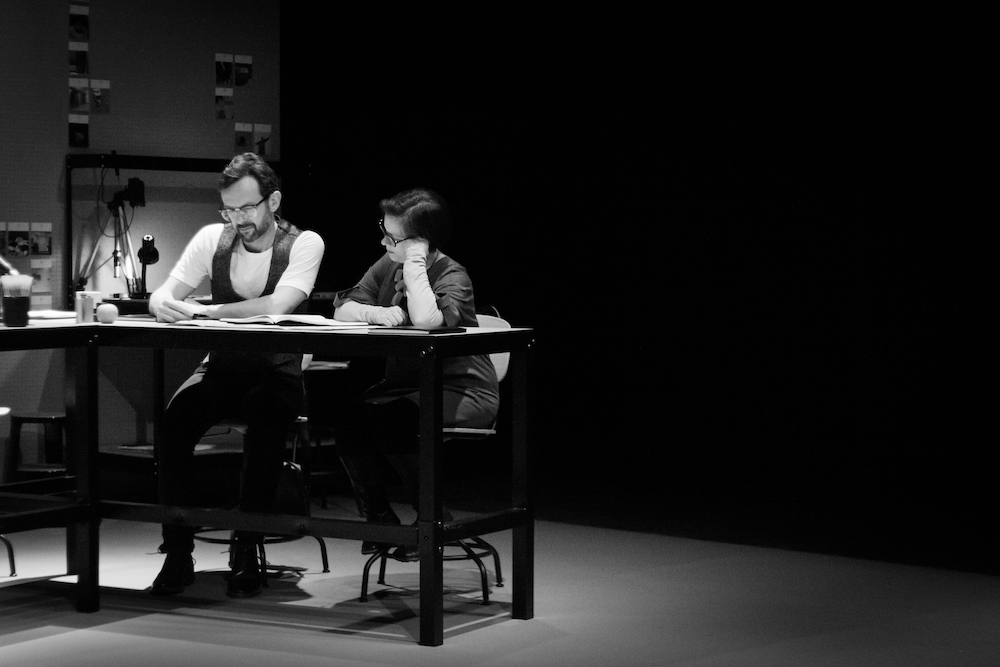
Two people sit at an office table looking at an open book
How do you generate great creative ideas when you're faced with the abject terror of the blank page?! Here are my tried-and-tested strategies for composing music and beyond. These are the methods of idea generation I've actually done. They all work. The order doesn't matter. Not a composer? They'll work great in any line of …

Composing for theatre is the same as composing for games: The Techniques (part 5) – Horizontal Resequencing

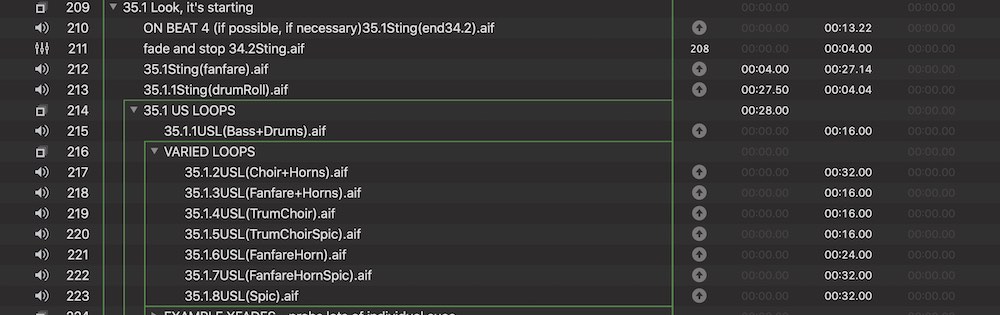
Camelot Pageant QLab Screenshot
This is the final part in a five part series on the similarities in challenges faced by composers of both games and theatre, and the similar evolution of their solutions. In the first post I talked about those challenges brought about by the live and interactive nature of theatre and games, respectively: timings change, and …

Composing for theatre is the same as composing for games: The Techniques (part 4) – Vertical Layering

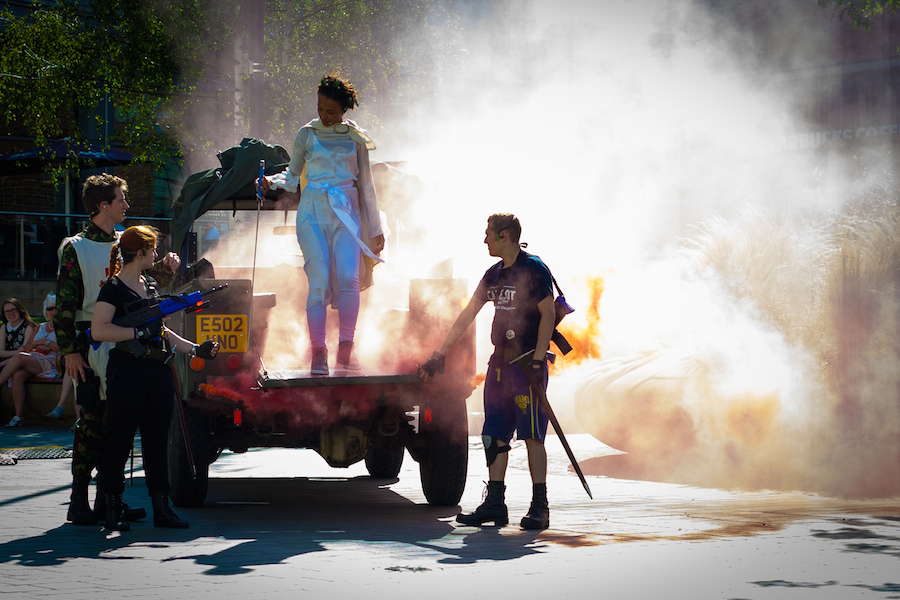
HF Cam
This is part 4 in a five part series on the similarities in challenges faced by composers of both games and theatre, and the similar evolution of their solutions. In the first post I talked about those challenges brought about by the live and interactive nature of theatre and games, respectively: timings change, and are …

Composing for theatre is the same as composing for games: The Techniques – Continued (part 3)

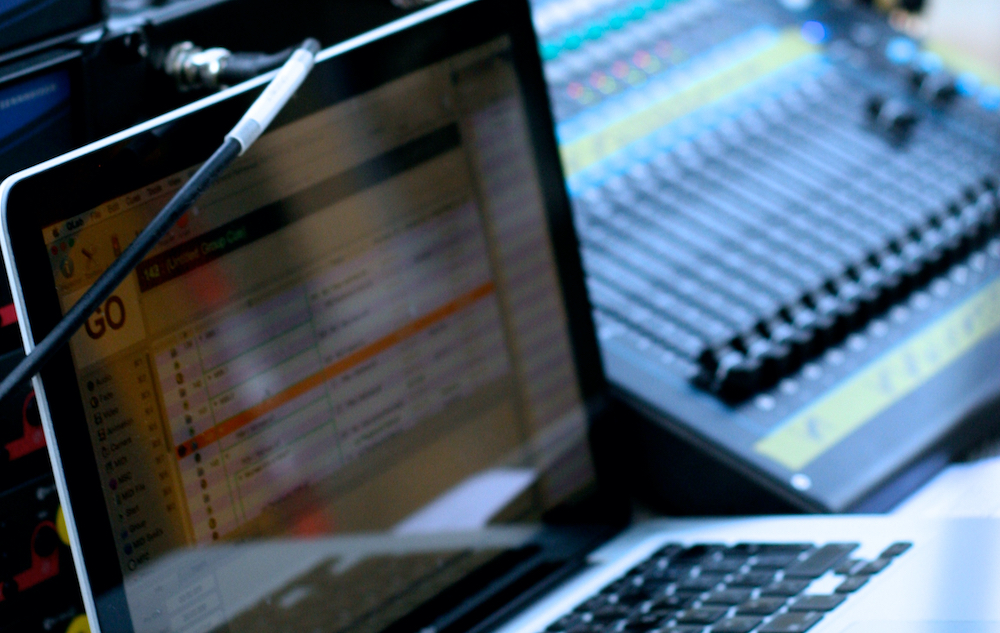
Sounddesk and QLab
There's a great deal of overlap between the techniques of scoring theatre and games. In the first post of this series, I talked about the practical similarities between these two platforms: of writing music to accompany and synchronise with events that are unlikely to happen at the same time each time they are performed, be …

Composing for theatre is the same as composing for games: The Techniques (part 2)

HF Cam IMG
There's a great deal of overlap between the techniques of scoring theatre and games. In my last post, I talked about the practical similarities between these two platforms: of writing music to accompany and synchronise with events that are unlikely to happen at the same time each time they are performed, be that onstage or …

Composing for theatre is the same as composing for games – mostly (part 1)

IMG
There's a great deal of overlap between the techniques of scoring theatre and games (I'd argue that there's a blurring of boundaries between the two media that happens when you get into immersive and interactive theatre, but that discussion is for another day). The fluidity of durations in both theatre and games creates the same …